




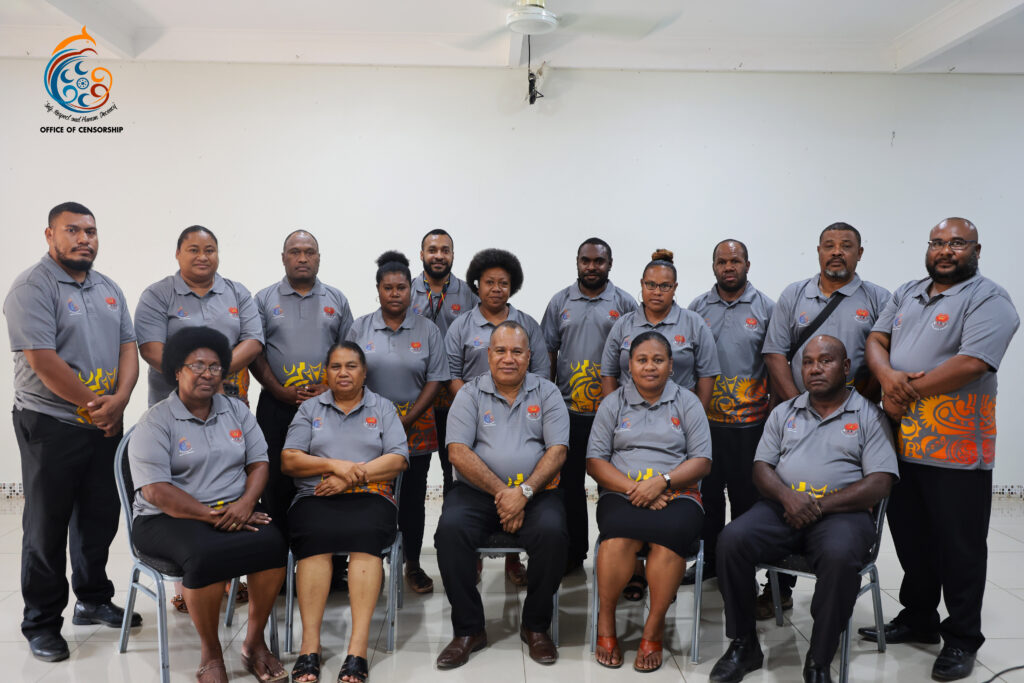
THE Office of Censorship has concluded its 2026 Mid-year Review, bringing together Executive Management and Senior Management to assess the organisation l s performance during the first six months of the year and to strengthen its focus on delivering key priorities outlined in the 2026 Annual Operational Plan (AOP).
The two-day review provided a platform for managers and divisional heads to evaluate progress against their Key Performance Areas (KPAs) and Key Result Areas (KRAs), identify implementation challenges, and develop practical strategies for the remaining six months of the year.
The Chief Censor Mr. Jim Abani in his opening remarks reminded the management team to realign their efforts with the Office’s new strategic direction set a year ago.
He said the direction “Modernisation and Digitalisation” pushes for the office to meet the advancing technology and strengthen service delivery.
He congratulated divisions that had successfully implemented their planned activities despite resource constraints and encouraged managers to take ownership of outstanding activities, address implementation gaps, and remain focused on delivering measurable results during the second half of the year.
“The Annual Operational Plan is our roadmap. It outlines our priorities, activities and targets. This review is about honestly assessing what we have achieved, identifying what remains outstanding, and ensuring we stay focused on delivering results,” Mr. Abani said.
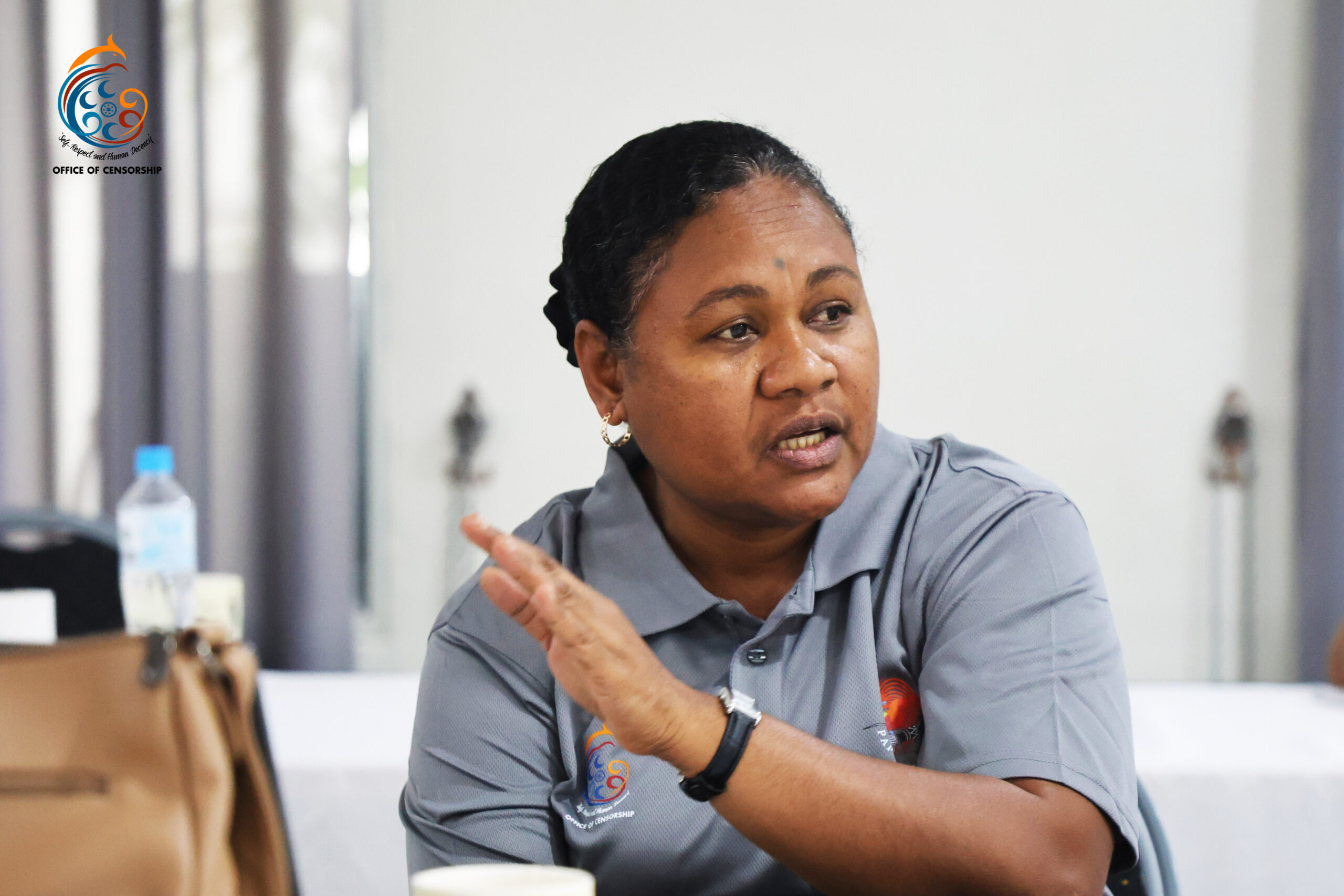
Deputy Chief Censor Ms. Ilikomau Ali also added that the Mid-year Review served as an important opportunity to reflect on achievements from QI and Q2, while preparing for improved implementation during the remainder of 2026.
She described the review as an opportunity for the organisation to “Refine, Reload and Reset” by assessing progress, addressing implementation gaps and realigning priorities with the Office’s strategic direction.
A major focus of this year’s review is the Office’s strategic agenda of Modernisation and Digitalisation.
Ms. Ali explained that modernisation involves transitioning from traditional, manual censorship processes to technology-driven systems that improve efficiency, service delivery and organisational capability. This includes strengthening ICT infrastructure, improving staff access to modern digital tools, expanding skills through continuous training, and enhancing the Office’s corporate image.
She said digitalisation builds on these improvements by enabling online service delivery, digital content classification, electronic registration systems, real-time collaboration and more efficient communication across the organisation.
“The future of censorship is digital. We must continue building our systems and our people’s capacity to effectively regulate content in an increasingly digital environment,” she said.
The review also looked at staff development needs, identify skill gaps, and consider opportunities for further professional training to support the Office’s ongoing transformation agenda.